You eat a decent diet, try to squeeze in a workout, and get to bed at a reasonable hour. You’re doing all the right things. So why do you still feel a bit sluggish, stressed, or just plain “off”?
The truth is, our health isn’t just sabotaged by the big, obvious bad habits. Sometimes, it’s the small, insidious things we do every day — the ones we don’t even think about—that slowly chip away at our well-being. These are the hidden saboteurs. And once you know what they are, you can start fighting back.
Here are 8 hidden health saboteurs that might be hurting you right now.
1. The “Always-On” Mindset

This is the pressure to be constantly available, such as checking emails late at night, and never truly disconnecting from work or social life.
- The Health Risk: This mindset keeps your body in a perpetual state of low-level stress. Your adrenal glands release cortisol, the “stress hormone,” which is helpful in short bursts but damaging when chronic. Chronic, elevated cortisol levels have been linked to a weaker immune system, disrupted sleep, and weight gain. Did you know? Cortisol specifically promotes the storage of visceral fat, the dangerous fat around your abdomen that is linked to heart disease and diabetes.
- Take Control: Set clear digital boundaries. Enforce a “no-screen” rule after a certain hour, and schedule short mindfulness breaks to help your body and mind relax.
2. Your “Healthy” Morning Smoothie

A store-bought smoothie or a homemade one made with lots of fruit and no fibre.
- The Health Risk: While whole fruits contain natural sugars, the fibre in them slows their absorption into your bloodstream. When you juice or blend a smoothie without fibre, you get a concentrated dose of sugar. This can cause a rapid blood sugar spike, followed by an inevitable crash, leaving you tired, irritable, and craving more sugar. Did you know? A single 8-ounce cup of fruit juice can contain up to 30g of sugar, which is the World Health Organization’s recommended daily intake of “free sugars” for an adult. Fruits like bananas, mangoes, and pineapple are particularly high in sugar when juiced.
- Take Control: Opt for a smoothie made from whole fruits and vegetables. Add a source of protein (like Greek yoghurt or protein powder) and fibre (like flaxseed or oats) to help slow down sugar absorption.
3. The Silent Sugar and Salt in Savoury Sauces

Adding generous amounts of store-bought sauces and condiments to your meals.
- The Health Risk: Many processed sauces are packed with hidden sugar and sodium to enhance flavour and act as a preservative. A single tablespoon can contribute a surprising amount to your daily intake. Did you know? Just one tablespoon of ketchup can contain around 4g of sugar, and a tablespoon of soy sauce can have up to 900mg of sodium, nearly half of the World Health Organization’s daily recommended sodium intake (2000mg). This hidden sugar and salt can contribute to high blood pressure, weight gain, and an increased risk of heart disease.
- Take Control: Check food labels for sodium and sugar content. Try making your own sauces with fresh herbs and spices, or use healthier alternatives like fresh lemon juice and vinegar.
4. The Social Media Comparison Trap
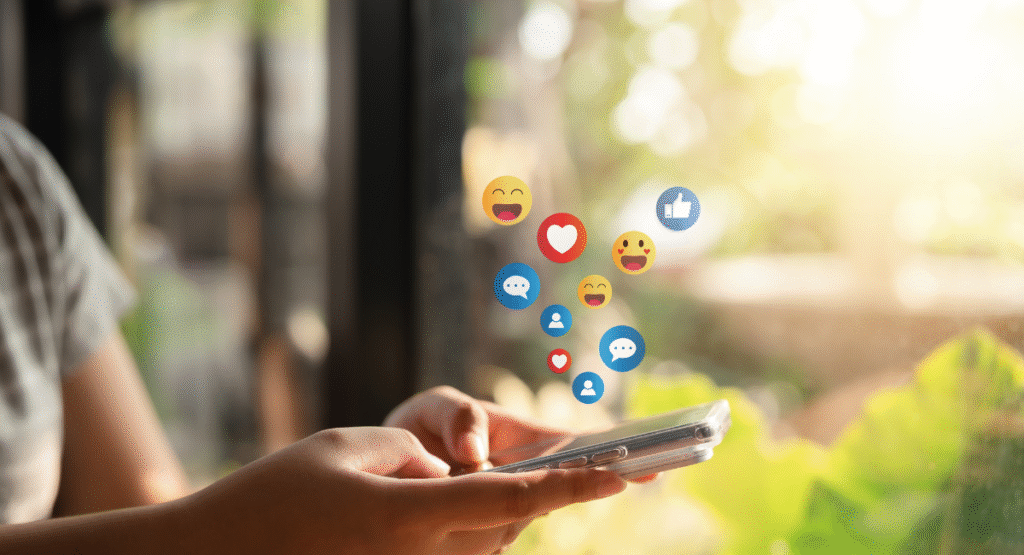
Spending time mindlessly scrolling through a curated feed of perfect lives, filtered photos, and career successes.
- The Health Risk: Your brain’s reward system gets a dopamine hit from social media, but constant exposure to idealised lives can trigger feelings of inadequacy, jealousy, and anxiety. This puts you in a state of low-level mental stress. A recent study by the Pew Research Center found that a majority of teens and young adults feel pressure to look good online and that social media makes them feel worse about their lives. This mental and emotional saboteur can disrupt sleep patterns and contribute to a cycle of negative self-talk that affects your energy and motivation.
- Take Control: Set clear time limits for social media use. Try mindful scrolling by being aware of how you feel, and consider a “digital detox” for a day or two.
5. Your Smartphone Before Bed
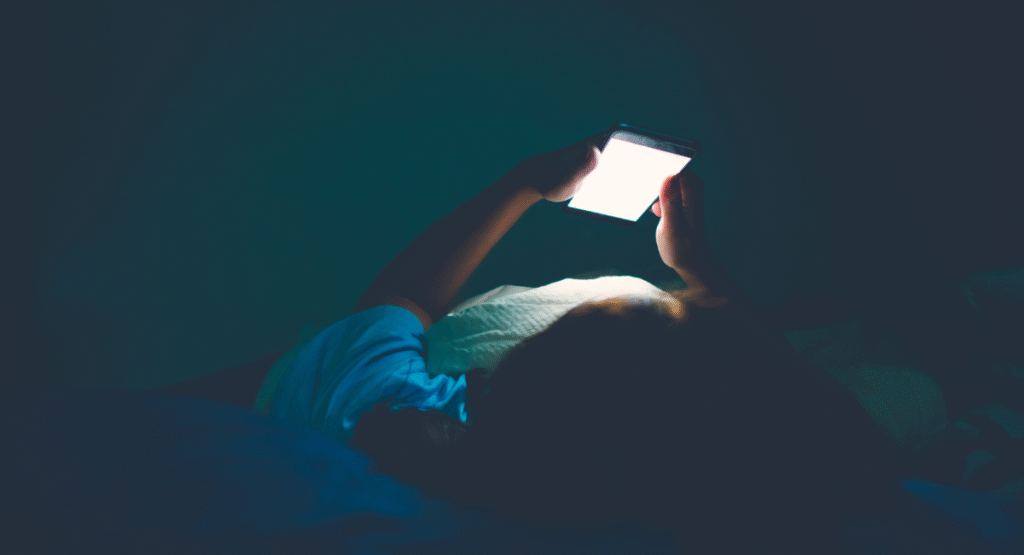
Using your phone or tablet in bed, or right before you go to sleep.
- The Health Risk: The blue light emitted by screens suppresses the production of melatonin, the hormone that signals to your body it’s time to sleep. This disrupts your circadian rhythm, even if you don’t feel it happening. The result is not just a delay in falling asleep, but a significant reduction in the quality of your sleep. Poor sleep, in turn, is linked to higher stress levels, a weakened immune system, and an increased risk of weight gain and chronic disease.
- Take Control: Enforce a “digital sunset” rule at least one hour before bed. Read a book, listen to music, or just sit quietly to help your body wind down naturally.
6. Chronic Low-Level Dehydration

Not drinking enough water throughout the day to meet your body’s needs.
- The Health Risk: Many of us operate in a state of chronic, low-level dehydration, which can manifest as vague symptoms that are often misdiagnosed. Your body relies on water for every function, from flushing out waste to regulating temperature. Even a small drop in your hydration levels can impair your bodily functions, which you might mistake for other problems. The most common symptoms are persistent headaches, fatigue, and brain fog.
- Take Control:
- How much to drink? The general recommendation is around 8 glasses (2 litres) a day, but this can vary based on your activity level and the climate.
- How to know if you’re dehydrated? A simple check of your urine colour is a great indicator. It should be a pale yellow. If it’s a dark amber colour, you are likely dehydrated.
- Practical tip: Keep a water bottle with you at all times and set reminders on your phone to drink water throughout the day.
7. The “Overly Clean” Environment

The daily overuse of antibacterial and harsh cleaning products.
- The Health Risk: A sterile environment might seem healthier, but it can disrupt your body’s natural ecosystem. Your skin and gut are home to a community of “good” bacteria that are crucial for a strong immune system and healthy digestion. An overly sanitised environment can prevent your body from building this essential microbiome, potentially making you more susceptible to illnesses and allergies.
- Take Control: Use regular soap and water for most tasks, reserving antibacterial products for when they are truly necessary. Exposing yourself to a normal, healthy level of microbes helps to build a stronger immune system.
8. The Unchecked “Chronic” Condition

Normalising persistent, low-grade symptoms like constant fatigue, frequent headaches, or unexplained body aches as a natural part of aging or a busy lifestyle.
- The Health Risk: Many of us are trained to push through discomfort. This leads us to dismiss our body’s subtle warning signs, assuming they’re just minor inconveniences. The danger? Ignoring these symptoms can mean you’re missing an underlying health issue—from a hormonal imbalance to a nutritional deficiency or an undiagnosed chronic disease—that could be effectively managed with the right medical guidance.
- Take Control: Listen to your body. If a symptom persists for more than a couple of weeks, it’s a sign you should speak to a doctor. A simple check-up can provide you with the answers you need.
The path to better health isn’t always about making huge changes. Sometimes, it’s about identifying and addressing these small, hidden saboteurs. By being more mindful of these everyday habits, you can take a big step towards improving your long-term health and well-being.
If you are concerned about persistent symptoms or want a personalised health review, a Doctor Anywhere doctor can help.