
- RSV is the number 1 leading cause of infant hospitalisation
under 6 months. - 9 in 10 babies encounter RSV before age 2
- Babies in daycare or with older siblings face
greater daily RSV exposure. - Premature babies face a significantly higher risk of
serious complications from RSV.
speak to a DA doctor to find out.
Know the Signs. Protect Your Baby.
For most babies it passes. For some especially newborns and premature babies, it can escalate fast.
There are the signs to watch for:

Day 1: Just a runny nose

Day 2: Slight cough

Day 4: Breathing a little faster
RSV protection, your way. Here's how it works:

Book an in-clinic appointment at your nearest DA clinic or request a home visit
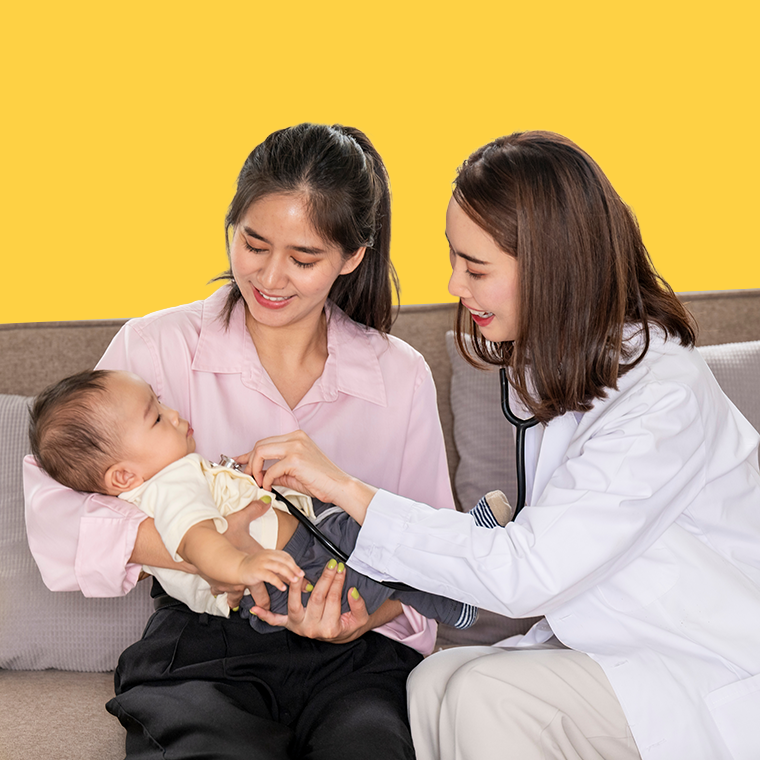
Your DA doctor will assess your baby and advise on the right protection
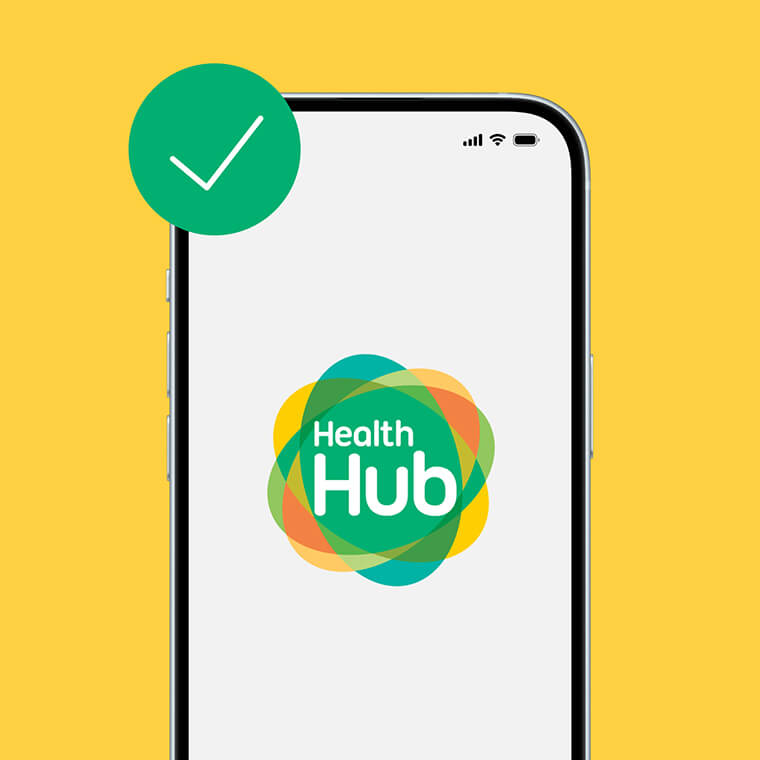
Your child’s record is automatically uploaded to HealthHub
RSV and the common cold share early symptoms: runny nose, mild cough, low-grade fever. The key difference is that RSV can progress to the lower respiratory tract, causing bronchiolitis or pneumonia in vulnerable infants. If you notice rapid breathing, poor feeding, or unusual fatigue in your baby, consult a doctor promptly.
The highest-risk group is newborns under a year old, especially premature babies. Babies in daycare or with older siblings at home face more frequent RSV exposure. Babies with underlying heart or lung conditions are also at elevated risk of serious illness.
Day 1: Runny nose — looks like a cold. Day 2: Slight cough, a bit clingy. Day 4: Breathing may become faster. Watch for: nostrils flaring, chest or belly pulling in with each breath, poor feeding or refusing feeds. If you notice any of these signs, consult a doctor immediately. Do not wait.
Prevention options are now available in Singapore. The best first step is to speak with a doctor, who can assess your baby’s individual risk and explain the options suited to your baby’s age and health. Book a consultation with a DA doctor today.
Consult a doctor if your baby: is breathing faster than normal, has nostrils flaring or chest retracting with each breath, is feeding poorly or refusing feeds, seems unusually lethargic, or if symptoms worsen after Day 3. If unsure at any point, our doctors are available 24/7 via teleconsult.
Yes — Doctor Anywhere doctors are available 24 hours a day, 7 days a week via video consultation. You can discuss your baby’s symptoms, get a risk assessment, and receive guidance on next steps — all from home. Book via the DA app or website.
Preventive options for RSV are available in Singapore. Speak to a DA doctor for personalised advice on what is appropriate for your baby’s age, health, and risk profile. Our doctors can guide you through the options and help you make an informed decision.
RSV cannot be confirmed by visual inspection alone — only a doctor can assess this properly through clinical evaluation. If your baby has persistent or worsening respiratory symptoms, book a teleconsult with a DA doctor 24/7. Early assessment is always better than waiting.
Yes. RSV is most dangerous in the first 3 months of life, before symptoms become obvious. Knowing the signs means you can act confidently if they appear. A baby who looks fine today may show symptoms tomorrow. The RSV Risk Checker at the top of this page takes 60 seconds — take it today.